

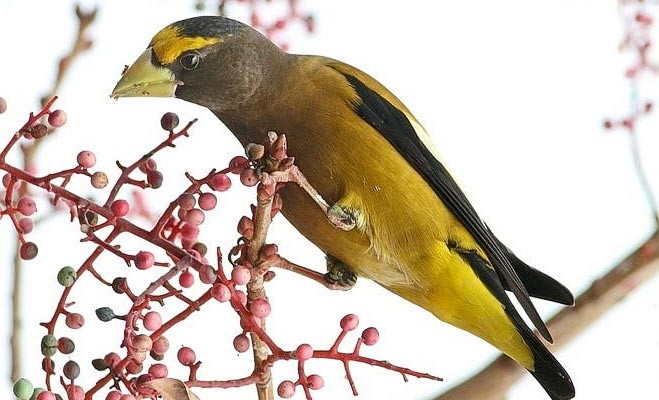
Ready for the Christmas Bird Count?

If getting out and bird watching in the heart of the holiday season for a great cause sounds fun, then the National Audubon Society’s 114th Christmas Bird Count is for you. Started in 1900, the Christmas Bird Count is the longest-running citizen science survey in the world.
In a few days tens of thousands of volunteers throughout North America will brave winter weather to add a new layer to data that has shaped conservation and congressional decisions for over a century. Join them!
All Christmas Bird Counts are conducted between December 14 and January 5. Your local count will occur on one day between those dates. You can participate in as many counts as you wish.
The event offers a great approach to experiencing nature and animals in a new way. Click here for an idea of the birds one sees while counting. Consider taking a break from holiday shopping and the indoors to immerse yourself and your family in this community event.
There is a specific methodology to the CBC, and you must make arrangements to participate in advance with the circle compiler, but anyone can participate. Each count takes place in an established 15-mile-wide-diameter circle and is organized by a count compiler for a specific date and time. Click here to locate a map of circles near you and to find out how to sign up.
If your home is within the boundaries of a CBC circle, then you can stay at home and report the birds that visit your feeder on count day as long as you have made prior arrangements with the count compiler.
Last year’s count shattered records. A total of 2,369 counts and 71,531 people tallied over 60 million birds of 2,296 different species. Counts took place in all 50 states, all Canadian provinces, and over 100 count circles in Latin America, the Caribbean, and the Pacific Islands. Three new counts were even welcomed in Cuba, where for the first time ever the tiniest bird in the world, the bee hummingbird, was included in CBC results.
What happens with the bird tallies? They are used along with other data to better understand the world’s bird populations. The CBC is revealing the dramatic impact climate change is already having on birds and a disturbing decline in common birds. The many decades of data not only help identify birds in need of conservation action, they also reveal success stories. The CBC helped document the comeback of the bald eagle and significant increases in waterfowl populations, both the result of conservation efforts.
“This is not just about counting birds,” says Gary Langham, Audubon’s chief scientist. “Data from the Audubon Christmas Bird Count are at the heart of hundreds of peer-reviewed scientific studies and inform decisions by the U.S. Fish and Wildlife Service, the Department of the Interior and the EPA. Because birds are early indicators of environmental threats to habitats we share, this is a vital survey of North America and, increasingly, the Western Hemisphere.”
Everyone is invited to join in the CBC; no birding experience is necessary, just curiosity and a love of nature.








Love this story? Signup to access our free eBooks and newsletters.